
Home / Blogs
How Much Do 10 Solar Panels Cost in the UK? (2026 Price Guide)
Proximus Solutions
Free Consultation
We assess your home & energy usage
Proximus Solutions
Tailored Systems
Tailored to your goals and property
Proximus Solutions
Expert Installation
MCS Certified installation by our experts
Proximus Solutions
Start Saving
Lower bills and more energy independence
Proximus Solutions
Ongoing Support
We are here for you, Every steps of the way
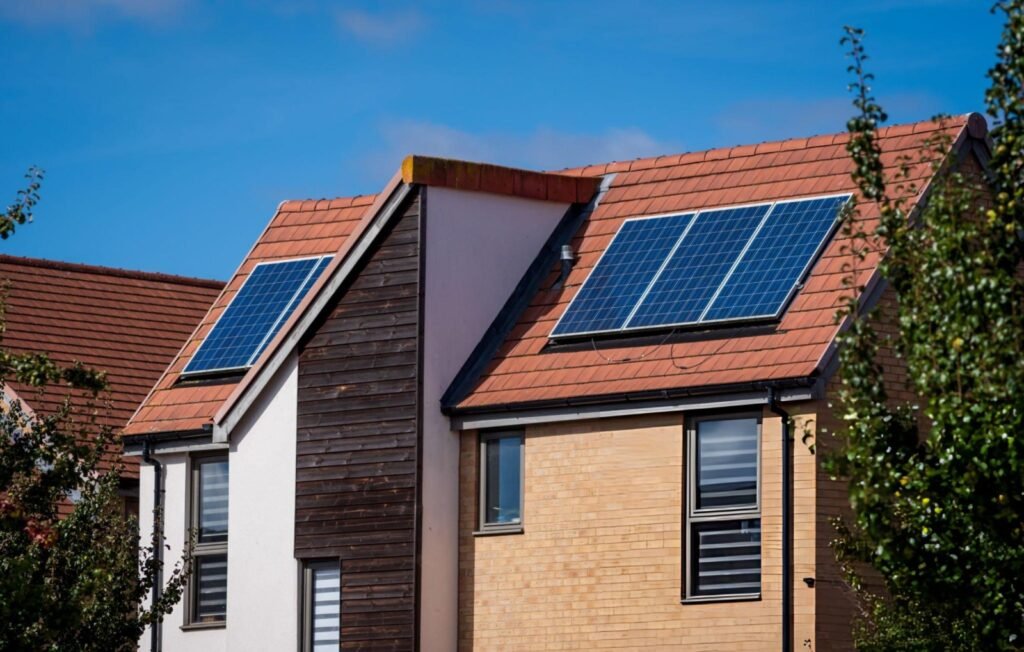
A 10-panel solar system is the UK’s most common housing solar setup — it’s the sweet spot for a typical two-to-three-bedroom home. But how much does it actually cost in 2026?
On average, 10 solar energy panels UK cost between £6,000 and £8,500 fully installed, with most homeowners paying around £7,000–£7,500 for a standard roof-mounted system. Add a battery, and that figure rises to roughly £10,000–£14,000.
This guide breaks down exactly what you’ll pay, what affects the solar panel price, and how quickly you’ll get your money back.
Average Cost of 10 solar panels at a Glance
System size | Estimated cost (10 panels, no battery) |
~3.0kW system | £6,000–£7,000 |
~3.5kWp system | £7,026 (average) |
~4.0kW system | £6,500–£8,500 |
~4.5kWp system (450W panels) | £8,307 |
The range reflects the fact that panel wattage varies — most installers now fit 400–450W panels, so “10 panels” can mean anywhere from 3kW to 4.5kW depending on the model used.
Whichever way you cut it, budget somewhere in the £6,000–£8,500 range for a 10 solar panel installation and use the top end of that range if your roof is complex, you’re in London or the Southeast, or you want premium panels.
Why Panel Wattage Changes the Price
Ten panels isn’t a standardized unit — it depends on the wattage of the panel. A decade ago, panels were closer to 250–300W each; today’s standard residential panels are typically 400–450W. That means:
- 10 x 400W panels = a 4.0kWp system
- 10 x 450W panels = a 4.5kWp system
This is why quotes for “10 panels” can look quite different from one solar installer to the next, it comes down to the exact wattage and brand of panel specified.
Is 10 panels System Size Right for Your Home?
A 10-panel array is generally recommended for a 2 to 3 bedroom home using around 2,700 kWh of electricity a year, broadly the UK average household usage. It’s the size installers most commonly quote for because it balances your roof space, your typical energy use, and your budget.
Property size | Annual electricity use | Typical panel count | System size |
1–2 bedrooms | ~1,800 kWh | 5–6 panels | 2.1–2.25 kWp |
2–3 bedrooms | ~2,700 kWh | 10 panels | 3.5–4.5 kWp |
4+ bedrooms | ~4,100 kWh | 14–15 panels | 4.9–6.75 kWp |
If your home has fewer than two or three bedrooms, or your usage is low, 10 panels may actually be more than you need — but installers often still recommend it, because the fixed costs of scaffolding and labour barely change whether you fit 6 panels or 10. In other words, a slightly bigger system is often better value per panel.
What's Included in the Installation Price?
The headline solar installation cost UK for 10 solar panels isn’t just the panels themselves — a single 400W panel costs roughly £150–£350 on its own. The rest of your quote covers everything needed to turn that stack of panels into a working system:
Cost component | Approx. share of total cost |
Panels, inverter, cabling and mounting equipment | 40–50% |
Business overheads (permissions, transport, project management) | 30–40% |
Labour and scaffolding | 10–30% |
Labour and scaffolding are the biggest source of price variation between quotes, the harder your roof is to access, or the more complex its shape, the more you’ll pay, regardless of how many panels you’re fitting. This is also the main reason prices vary so much by region: installing the same 10-panel solar power cost UK can noticeably more in London or the Southeast than in the Northeast, purely because of local labour rates.
Solar power Installation Costs by Region (England)
Region | Average solar installation cost |
South East | £9,064 |
London | £8,543 |
South West | £8,536 |
North West | £8,407 |
East of England | £8,073 |
West Midlands | £7,569 |
Yorkshire and the Humber | £7,272 |
East Midlands | £7,232 |
North East | £6,306 |
These are regional averages for all system sizes and not just 10-panel systems‚ but give you an idea of the range of prices you might see for your quote․
On average‚ households in Scotland‚ Wales and Northern Ireland pay just over £7000 for a 4kW installation‚ close to the average across England as a whole․
Adding a Battery: How Much Extra Does It Cost?
Adding battery storage to a 10-panel system is increasingly common — in fact, the majority of new UK solar installations are now sold with a battery included. A 5kWh battery adds roughly £3,000–£4,000 to your total cost, though larger or premium batteries can add £7,000 or more.
System | Cost without battery | Cost with battery |
10 panels (~4.0kW) | £6,500–£8,500 | £10,000–£14,000 |
10 panels (4.5kWp, 450W) | £8,307 | £11,307 |
A battery stores the solar electricity you generate but don’t use immediately, so you can draw on it in the evening instead of buying power from the grid. It also unlocks better export tariffs from some suppliers. It doesn’t automatically shorten your payback period, though — that depends on your usage pattern, tariff, and how much of your solar power you’d otherwise export anyway.
How Much Can You Save on Energy Bills?
Annual savings for a 10-panel, ~3.5–4.5kWp system typically fall in the £450–£600 a year range, depending on your usage, location, and export tariff.
System | Estimated annual saving | Estimated SEG export income |
10 panels (3.5kWp) | £454 | £159 |
10 panels (4.0kWp) | £465–£585 | Varies by supplier |
The Smart Export Guarantee (SEG) pays you for any surplus electricity you export back to the grid, on top of whatever you save by using your own solar power instead of buying it. Export rates aren’t fixed, they range from around 12p/kWh with some suppliers to significantly more with time-of-use or battery-linked tariffs, so it’s worth shopping around once your system is installed.
Payback Period: When Does Solar Pay for Itself?
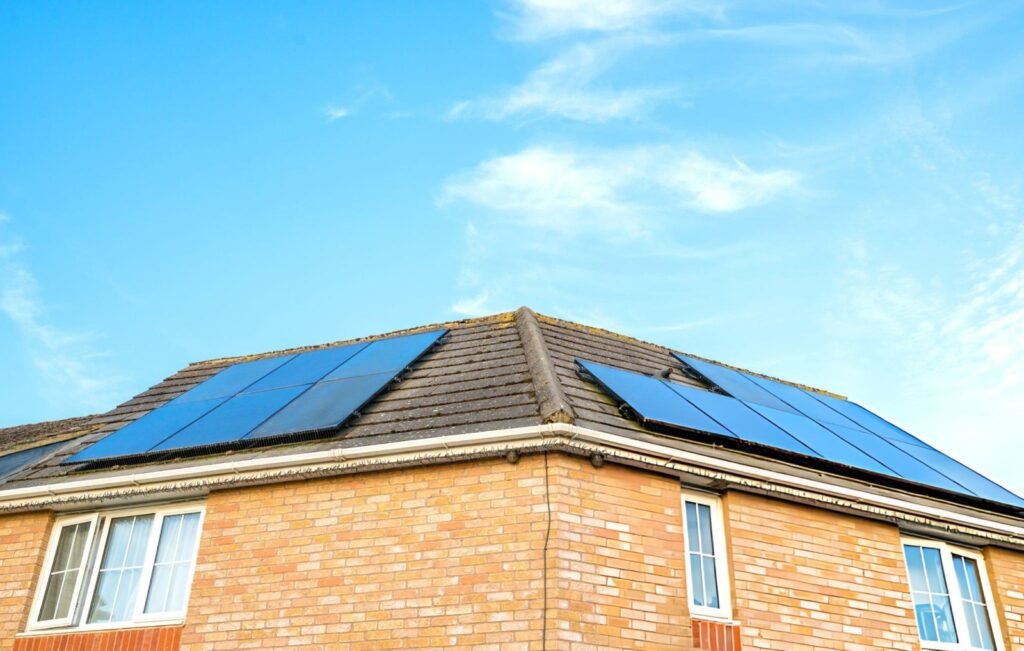
A 10-panel system typically breaks even in 9–15 years, with most estimates clustering around 10–13 years. After that point, you’re generating essentially free electricity for the remaining 15–20+ years of the panels’ working life.
Payback time depends heavily on how much of the electricity you generate you actually use in your home, rather than exporting it — so households that are home during the day, or who shift appliance use (like washing machines and EV charging) to daylight hours, tend to pay their systems off faster.
Factors That Affect Your Quote
There are several factors that move your specific quote up and down from the averages above:
- Panel wattage and type – Higher efficiency monocrystalline panels are more expensive than standard or polycrystalline panels‚ but they produce more power in the same 10-panel footprint․
- Roof features – A complicated roof with many faces‚ dormers‚ chimneys‚ or steep pitches‚ adds labor time and racking complexity․
- Scaffolding access – A simple‚ accessible pitched roof is far more cost-effective to scaffold than a terraced house or roof with obstructions․
- Inverter choice – A standard string inverter is cheaper than microinverters, which can cost around 50% more but improve performance on shaded or complex roofs.
- Location – Labour costs vary by up to 50% between the cheapest and most expensive UK regions.
- Battery storage – Optional but adds several thousand pounds if included.
- Extras – Bird/pigeon proofing (~£25 per panel), fuse box upgrades, or roof repairs uncovered during installation can all add to the final bill.
Hidden Costs to Budget For
A handful of costs are easy to overlook when comparing headline prices:
Possible extra cost | Typical price |
Scaffolding/access | £300–£1,200 |
Roof repairs or reinforcement | £300–£1,000 |
Fuse box upgrade | £400–£800 |
Bird/pigeon proofing (10 panels) | £250–£900 |
New Energy Performance Certificate | £60–£120 |
Inverter replacement (after 10–15 years) | £700–£1,400 |
Always ask your installer for a full breakdown, including scaffolding, before signing a contract, since not every quote includes it by default.
Do You Pay VAT on Solar Panel Installations?
No — solar panel and battery installations currently benefit from 0% VAT, which knocks 20% off what you’d otherwise pay. This relief is scheduled to run until 31 March 2027, after which it’s due to revert to 5% VAT (rather than the standard 20% rate).
How to Reduce Your Solar Installation Cost
- Get at least 3–5 quotes. Prices for the same 10-panel system can vary by hundreds or even thousands of pounds between installers.
- Check for group-buying schemes, which can secure discounts of 20–30% through bulk local authority auctions — though it’s worth checking the panel and inverter specification, as some schemes use lower-spec kit to hit the price point.
- Look into grants, such as the Warm Homes: Local Grant (England), Nest (Wales), or the Home Energy Scotland Grant and Loan, if you’re on a lower income or your home has a poor EPC rating.
- Ask about finance. Many solar panel installers offer 0% or low-interest finance plans, and some companies offer solar subscriptions with no upfront cost at all.
- Bundle your battery with your panels if you’re getting one, adding it later means paying for scaffolding all over again.
Get a Free Solar Panel Price Quote from Proximus Solutions
Getting the right solar panel system starts with getting the right quote. At Proximus Solutions, every proposal is tailored to your property, your energy usage, and your budget — with a fixed price you can rely on and no hidden costs on installation day.
All installations are carried out by our MCS-certified engineers and include 0% VAT until March 2027.
📞 Call us: 0161 521 0099
✉ Email: info@proximussolutions.co.uk 🌐
Get a free quote: proximussolutions.co.uk/contact-us
Frequently Asked Questions
How much does a 10kW solar panel system cost?
Don’t confuse a 10-panel system with a 10kW system — they’re very different. A 10kW system is roughly 22–25 panels and is designed for large homes or small commercial properties, typically costing £15,000–£20,000+.
How much does one solar panel cost?
A single panel costs around £150–£350 on its own, but this excludes the inverter, mounting, wiring and labour that make up the bulk of an installed system’s price.
Do I need planning permission for a home solar installation?
Usually not. Most home solar installations count as “permitted development,” so you won’t need planning permission unless you live in a listed building or conservation area, or your panels protrude more than 20cm from the roof.
How much roof space is needed for this system size?
Around 16–20m², depending on panel size, since each panel is typically just under 2m².
Is this system big enough to charge an EV?
It can help offset EV charging costs, but if you’re charging an EV regularly at home, you may want to size up to 12–15 panels, or add a battery, to maximize how much of your own solar electricity you use rather than importing from the grid.
How Much Do Solar Panels Save on Electricity Bills in the UK?
proximussolutions.uk
July 17, 2026
Read More »
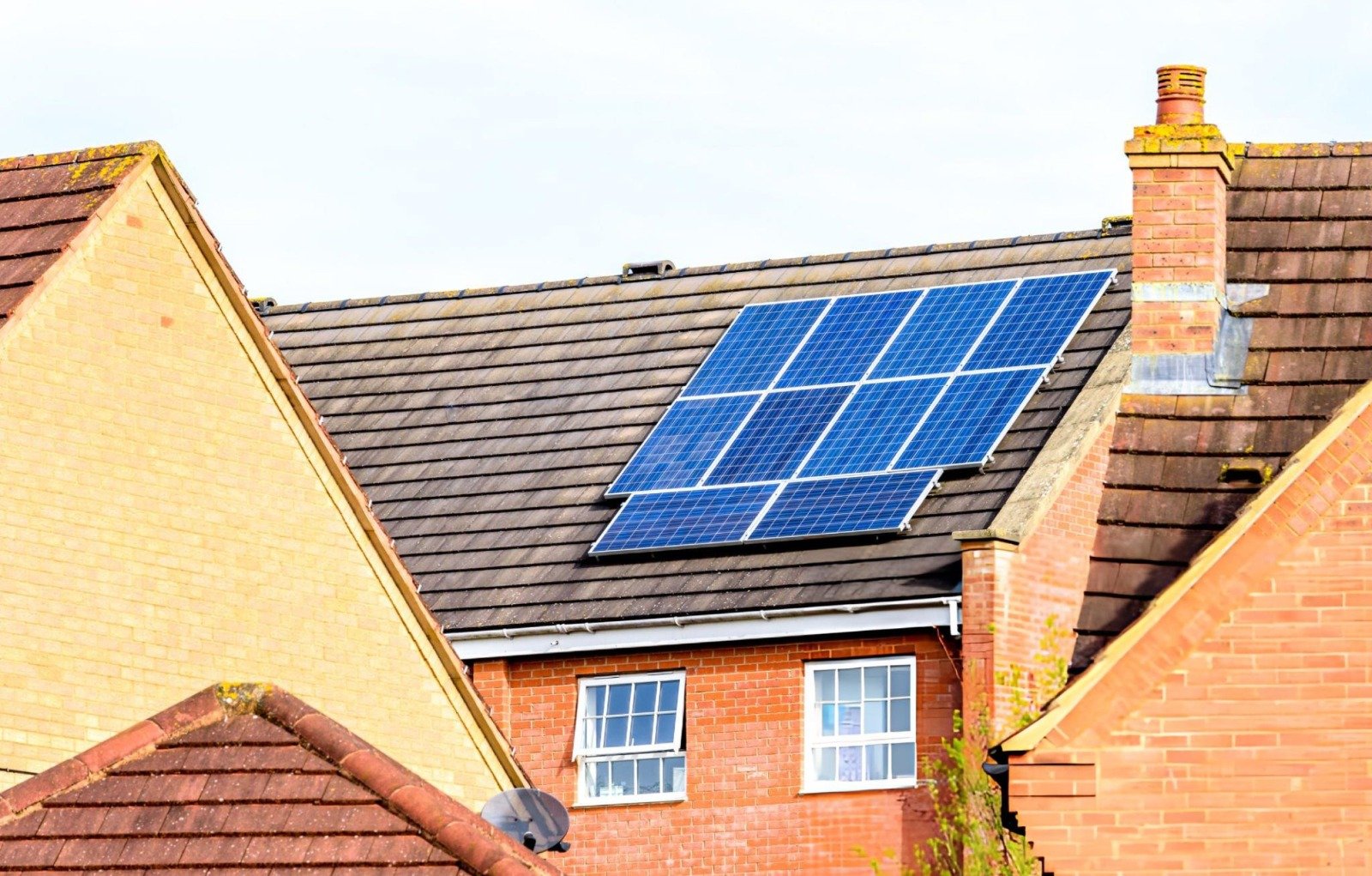
How Much Do 10 Solar Panels Cost in the UK? (2026 Price Guide)
proximussolutions.uk
July 9, 2026
Read More »
Government makes Solar Panels Mandatory on New Homes by 2027
proximussolutions.uk
July 1, 2026
Read More »
Octopus Solar Panels Costs & Tariffs 2026: What UK Homeowners Need to Know
proximussolutions.uk
June 24, 2026
Read More »