Home / Blogs
How Much Do Solar Panels Save on Electricity Bills in the UK?
Proximus Solutions
Free Consultation
We assess your home & energy usage
Proximus Solutions
Tailored Systems
Tailored to your goals and property
Proximus Solutions
Expert Installation
MCS Certified installation by our experts
Proximus Solutions
Start Saving
Lower bills and more energy independence
Proximus Solutions
Ongoing Support
We are here for you, Every steps of the way
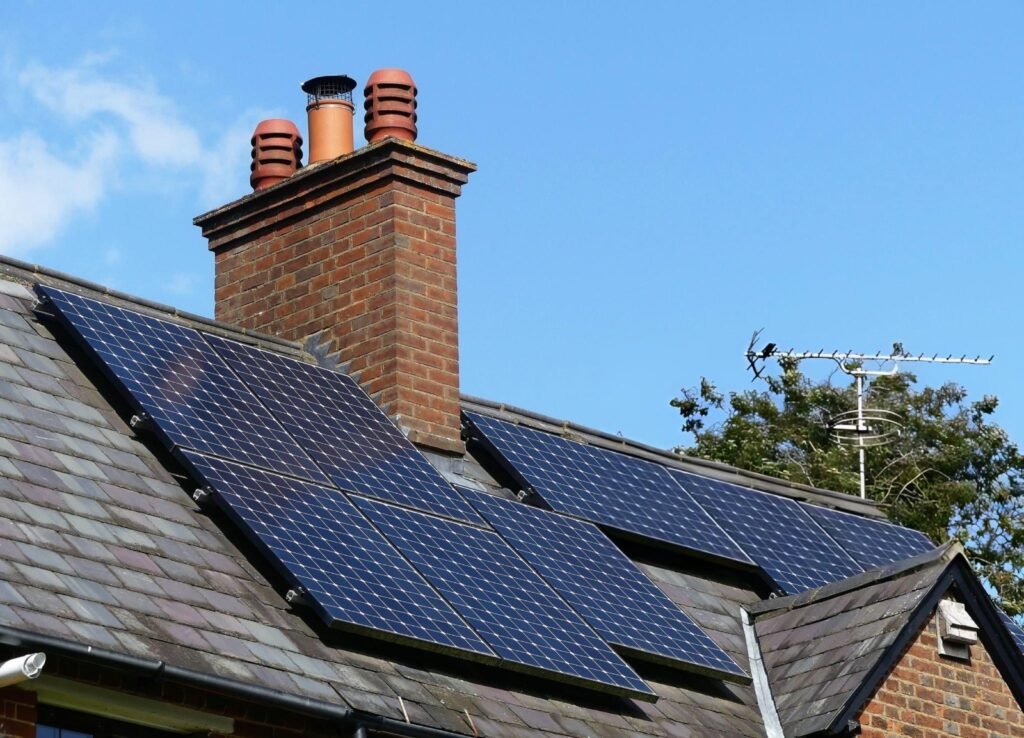
Energy bills remain a top concern for UK households, and heat pump adoption keeps climbing with well over 350,000 now installed across the country. The main concern is, can solar panels power a heat pump and is it worth it?
The short answer is yes‚ solar panels can provide an important amount of the power your heat pump needs – between 30% and 70% of your heat pump electricity bill in most cases‚ depending on heat pump size and region‚ and whether you have battery storage․ You won’t be able to heat your whole home with solar power without having an oversized (and more expensive) PV array‚ but solar power for your home is one of the best ways for UK homeowners to reduce their heating bills and carbon footprint․
This guide explains how the two technologies work together‚ what size array your home might need‚ what the system might cost and how much you might save․
How Solar Panels, Batteries, and Heat Pumps Work Together
Unlike a gas furnace‚ a heat pump does not burn fuel‚ but‚ rather‚ uses electricity to pump heat from outside air (or ground) into your home․ As an electric device‚ any electricity you generate on your roof can‚ in principle‚ run your heat pump․. Add a battery into the mix, and the three components form a joined-up home energy system that’s greater than the sum of its parts. Here’s how each piece plays its role.
1. Solar panels — your daytime generator
Rooftop panels convert sunlight into electricity throughout daylight hours. That home-grown power is used first to run whatever’s switched on, your heat pump includes cutting down how much you need to draw, and pay for, from the grid.
2. Battery storage — banking power for later
On brighter days, panels often generate more electricity than the household is using at that moment. Rather than letting that surplus go to waste, a battery captures it. Once the sun goes down, or on a grey afternoon, the home can then run on that stored charge instead of buying it back from the grid, stretching your free solar generation much further into the day.
3. Heat pump — turning stored sunshine into heat
The heat pump itself simply needs electricity to produce warmth and hot water. When that electricity has come from your panels or battery rather than the grid, you’re effectively heating your home on sunlight you captured earlier.
Smart Solar Integration: A System That Thinks for You
What ties these three components together is a layer of smart controls that decide, moment to moment, where power should come from and go to. In a well-set-up system, that typically looks like this:
- The heat pump draws on solar generation first, before anything is pulled from the grid.
- Any generation left over once the home’s needs are met tops up the battery for later use.
- Smart controllers can factor in weather forecasts, timing pre-heating of the house or hot water cylinder to line up with expected sunny spells.
- Grid electricity only gets used as a last resort, once solar and battery power are exhausted.
- Once the battery is full and the home’s demand is covered, any remaining surplus is exported to the grid.
There’s no such thing as a “solar-specific” heat pump — every model works the same way with a solar array, since it simply draws whatever electricity is available at the socket. The main challenge is timing: heat pumps often run hardest in the early morning, evening, and overnight, exactly when panels aren’t generating, which is why the battery’s role in shifting power across the day matters so much.
How Much of a Heat Pump's Electricity Can Solar Panels Cover?
This is the part homeowners most want to know, and the honest answer is: it varies quite a bit by season and by how the system is sized.
- On average, UK solar panels cover around 50% of a heat pump’s annual electricity needs.
- In real-world monitored installations across the Midlands, homeowners have offset roughly 38–62% of annual heating-related electricity use, with the best-performing homes benefiting from south-facing roofs, good insulation, correctly sized heat pumps, and battery storage.
- A detailed academic study of a solar-and-battery system paired with a ground source heat pump found the setup supplied just over a third of the heat pump’s total electricity needs across the year, known as the “solar fraction.” Of that, roughly equal shares came directly from the panels and from the battery, with the rest from the grid.
Seasonal swings are the key factor:
- Summer: Solar fraction can climb above 90%, since heating demand is low (mostly hot water) and solar output is at its peak.
- Winter: Solar fraction can fall to a quarter or less of the heat pump’s needs, because output drops sharply as little as 11% of a system’s annual generation happens in winter right as heating demand peaks.
No realistic residential solar array will fully cover a heat pump through winter. You’ll always need some grid electricity during the colder months unless you’re willing to install a dramatically oversized system, which usually isn’t cost-effective.
How Many Solar Panels Do You Need to Run a Heat Pump?
The right number of panels depends on your property size, heat pump capacity, insulation, and roof space. As a rule of thumb, most UK homes need somewhere in the range of 10 to 20 solar panels to make a meaningful dent in their heat pump’s electricity use.
Property type | Heat pump size | Approx. panels needed | Approx. system size |
|---|---|---|---|
1-bedroom / flat | 4–6 kW | 6–10 panels | ~4.5 kWp |
2–3 bedroom semi | 5–10 kW | 12–19 panels | 4–8.2 kWp |
4–5 bedroom detached | 12–16 kW | 20–23+ panels | 10+ kWp |
For a typical three-bedroom home with a 5kW air source heat pump, that generally works out to 12–19 panels rated around 430–450 watts each (a 400w solar panel–8.2kW array), which can produce roughly 6,600 kWh a year, broadly matching combined household and heat pump demand, though not evenly across the seasons.
Do You Need a Battery Too?
Technically, no — a heat pump will run perfectly well on solar power alone whenever the sun is out. But without a solar panel battery, that’s the only time it can benefit from your panels; anything generated outside daylight hours has to come from the grid instead.
Where a battery earns, its keep is:
- Cutting how much costly grid electricity you buy during peak-rate hours.
- Pairing with time-of-use import tariffs (like Cozy Octopus-style products) so you can charge cheaply overnight and draw on that stored power for heating later.
That said, installers generally advise against oversizing a battery purely to chase maximum winter coverage — a battery sized for winter’s higher demand will likely sit under-used in summer, so it’s a balance.
What Does a Solar-Assisted Heat Pump Cost?
Costs vary by property and supplier, but roughly 2026 UK ballpark figures look like this:
Component | Typical cost |
|---|---|
Air source heat pump | £8,000–£14,000 (before grants) |
Solar PV system (typical home) | £4,000–£8,500 |
Battery storage | £2,000–£6,000 |
Combined package (after grants) | £7,000–£15,000 |
The government’s Boiler Upgrade Scheme (BUS) currently knocks up to £7,500 off the cost of an air source heat pump for eligible homeowners in England and Wales, bringing typical post-grant heat pump costs down to roughly £2,500–£6,500. Some households may also qualify for ECO4 support toward solar panels, insulation, or radiator upgrades, though eligibility depends on income, benefits, and EPC rating.
Combined systems cost more upfront than either technology alone, but the trade-off is meaningfully lower running costs over the long term.
How Much Can You Save?
Savings depend heavily on system size, location, tariff, and how much of your own solar power you use versus export, but the figures reported across the industry are consistently substantial:
- Running a heat pump on grid electricity alone costs a typical three-bedroom home somewhere in the region of £790–£825 a year.
- Add solar pv panels and a battery, and that can drop to roughly £230–£310 a year, a saving of around 70%.
- Combining a heat pump with solar and a well-chosen import/export tariff can save UK households over £1,000–£1,700 a year in total, once savings on the rest of the household’s electricity and export income are factored in.
- Solar panels alone (without a heat pump) can save a typical home several hundred pounds a year on general electricity use, plus further income from exporting surplus power via the Smart Export Guarantee.
What About Carbon Savings?
Beyond the financial case, running a heat pump on solar electricity is one of the more effective ways to shrink a home’s carbon footprint:
- Heat pumps alone cut heating-related emissions by up to 70% compared with a gas boiler.
- Add solar power, and a household’s total carbon emissions can fall by around 80%, wiping out the majority of a typical home’s footprint.
- In absolute terms, that translates to a saving of roughly 2–3 tonnes of CO₂ per year for an average UK household.
Is Your Home Suitable for Heat Pump and Solar Panels?
The good news is that most UK properties can support both air source heat pump and solar panels technologies:
- Heat pumps can be installed in virtually any property type flats, terraces, semis, and detached homes of any age, according to government-funded research into heat pump suitability. Some homes may need extra insulation or larger radiators, but many don’t need any modifications at all.
- Solar panels need a roof that’s largely unshaded and ideally south, east, or west-facing (north-east and north-west can sometimes work too), with a pitch of around 30–40 degrees. Flat roofs and dormer roofs are usually less suitable due to weight limits or lack of usable space.
Systems tend to underperform when a heat pump is installed in a poorly insulated property, or when a solar array is undersized relative to the home’s electricity needs. A proper heat-loss survey and system design from an MCS-certified installer is the best way to avoid this.
Air Source vs Ground Source: Does It Matter for Solar?
Both heat pump types work equally well with solar panels in terms of how the electricity is used — the panels don’t “know” which type of heat pump they’re powering. The main difference is that ground source heat pumps tend to be more efficient and more powerful, so they typically consume more electricity overall, which means they can make good use of a larger solar array. Ground source installation is also more disruptive and expensive, since it requires burying pipework or drilling boreholes in the garden.
Common Mistakes to Avoid
- Oversizing the heat pump. This can cause short-cycling, wasted electricity, and a shorter system lifespan.
- Installing too few solar panels. An undersized array may not offset enough electricity to justify the investment.
- Ignoring insulation. Poor insulation undermines the efficiency of both technologies — it’s often the fastest-payback upgrade you can make before investing in renewables.
- Skipping a proper heat-loss survey. Generic sizing tables are a useful starting point, but every property is different.
Frequently Asked Questions
Can solar panels fully power a heat pump?
Not really. Solar panels don’t produce much power in winter, right when you need heating the most, so you’ll still tap into the grid during those colder months, even if your solar system is big.
Will solar panels run my heat pump at night?
Nope, not without a battery. Once the sun’s down, your heat pump pulls electricity from the grid because panels only work when there’s daylight.
Do heat pumps still work in cold UK winters?
Yes, they do. Modern air source heat pumps actually keep going in pretty cold weather—usually down to -15°C or even lower. They’ll use more electricity as it gets colder, but they’re designed to handle winter.
Is it worth pairing solar and a heat pump?
For most UK homeowners, absolutely. This setup can cut your energy bills, boost your EPC rating, lower your home’s carbon footprint, and shield you from rising energy prices down the line. Sure, the initial cost is high, but the long-term benefits stack up fast.
How Much Do Solar Panels Save on Electricity Bills in the UK?
proximussolutions.uk
July 17, 2026
Read More »
How Much Do 10 Solar Panels Cost in the UK? (2026 Price Guide)
proximussolutions.uk
July 9, 2026
Read More »
Government makes Solar Panels Mandatory on New Homes by 2027
proximussolutions.uk
July 1, 2026
Read More »
Octopus Solar Panels Costs & Tariffs 2026: What UK Homeowners Need to Know
proximussolutions.uk
June 24, 2026
Read More »