
Home / Blogs
Solar Panel Installation MCS Certified Installers
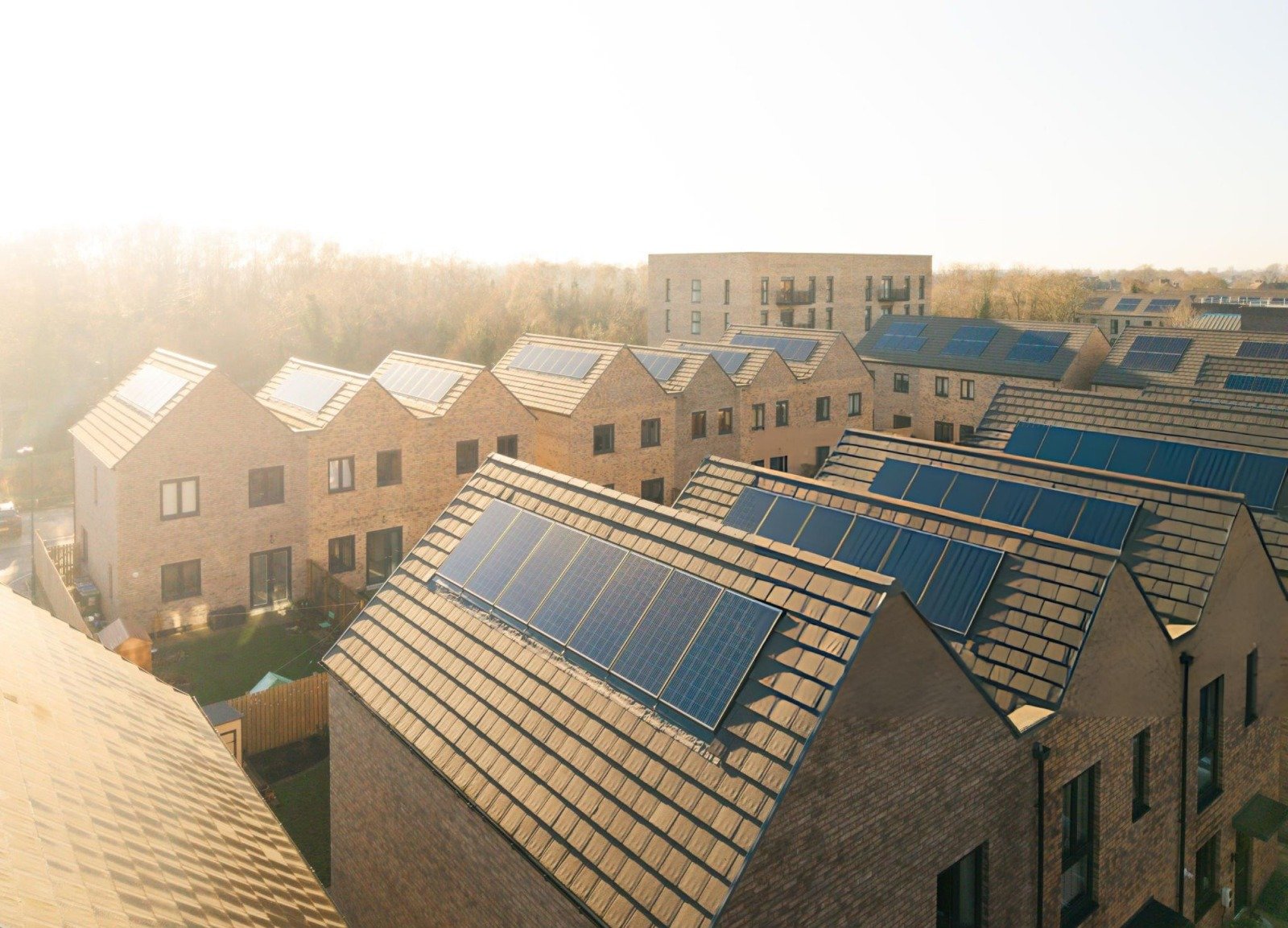
Switching to solar energy is one of the smartest long-term investments a UK homeowner can make ․ With energy prices continuing to soar and the government committed to achieving net zero by 2050‚ there has never been a better time to invest in solar panels․ But the first step to making the most of your solar system is to choose an MCS certified installer․
Proximus Solutions
Free Consultation
We assess your home & energy usage
Proximus Solutions
Tailored Systems
Tailored to your goals and property
Proximus Solutions
Expert Installation
MCS Certified installation by our experts
Proximus Solutions
Start Saving
Lower bills and more energy independence
Proximus Solutions
Ongoing Support
We are here for you, Every steps of the way
What is MCS certification, and why does it matter?
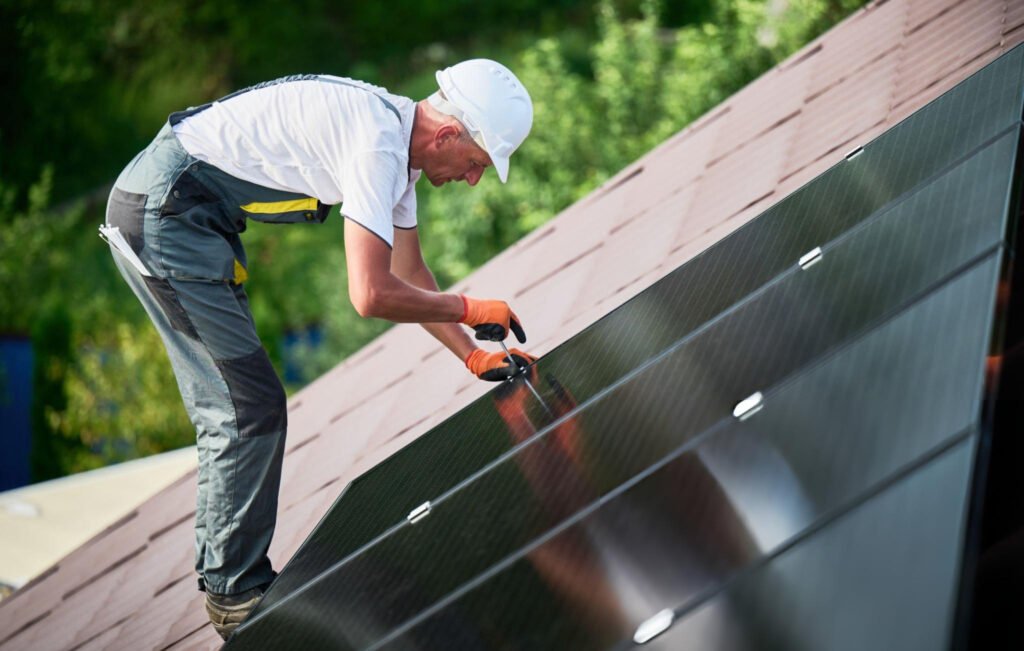
The Microgeneration Certification Scheme (MCS) is the UK’s quality assurance scheme for small-scale renewable energy technologies․ Only MCS installers are certified for solar installation that are eligible for the Smart Export Guarantee (SEG) ‚ a government-backed scheme which pays you for electricity you export to the national grid․
If you do not use an accredited installer‚ you will lose thousands of pounds of export payments‚ invalidate any warranty from the manufacturer‚ forfeit your right to future government payments and get poor quality work that may not meet building regulations․
The Solar Breakdown
£1,200+: avg. annual savings
25 years: typical panel lifespan
4–6 yrs: typical payback period
100%: MCS required for SEG
The Solar Panel Installation Process
Understanding the solar power installation process can help homeowners prepare for their transition to renewable energy photo.
Initial Property Assessment
An installer will evaluate your property’s suitability for solar panels by examining:
- Roof size and condition
- Roof orientation and angle
- Potential shading from nearby structures or trees
- Current energy usage
System Design
After this assessment‚ the installer will recommend a system that matches your home’s energy needs and available roof space․
Installation
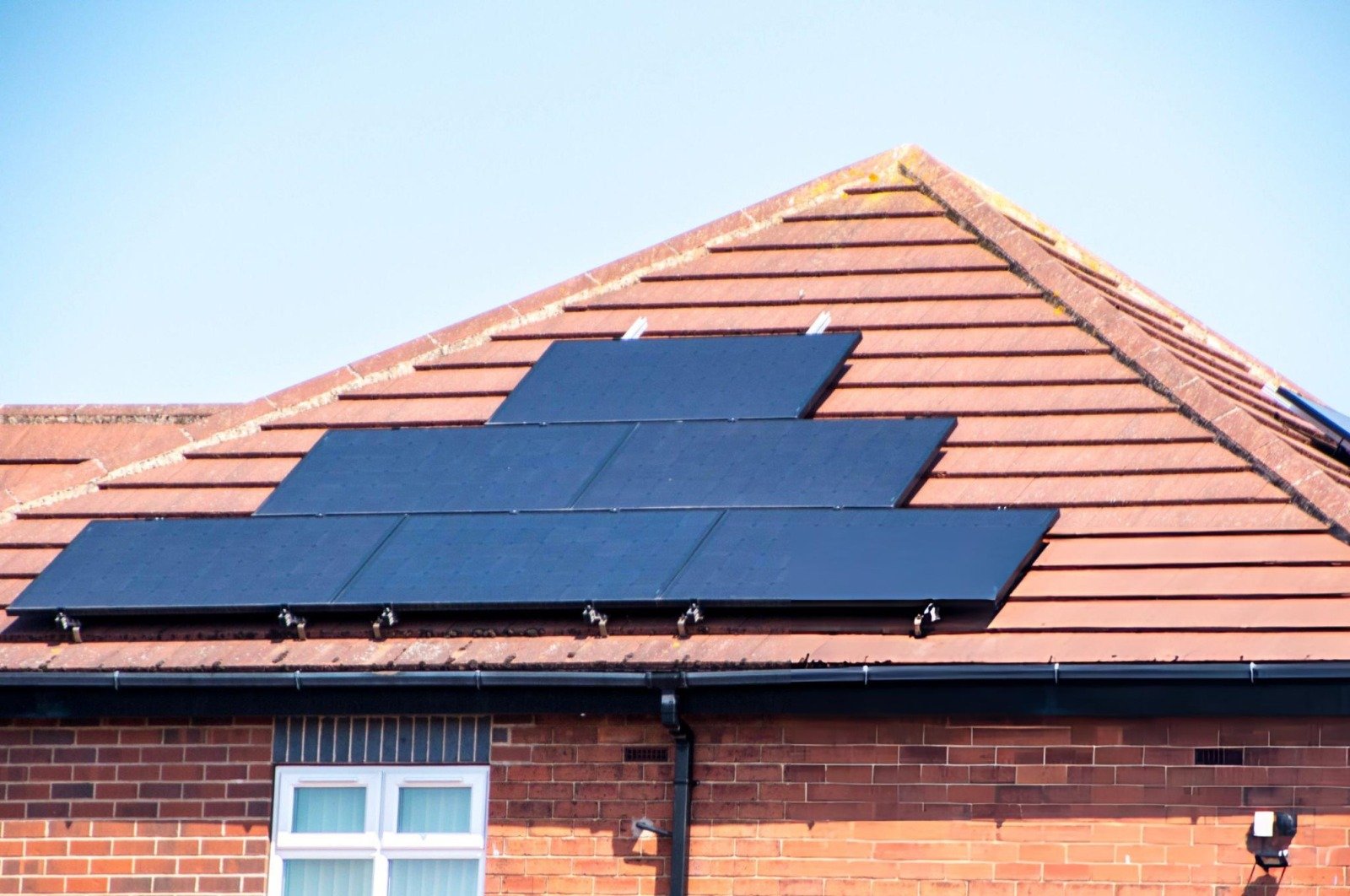
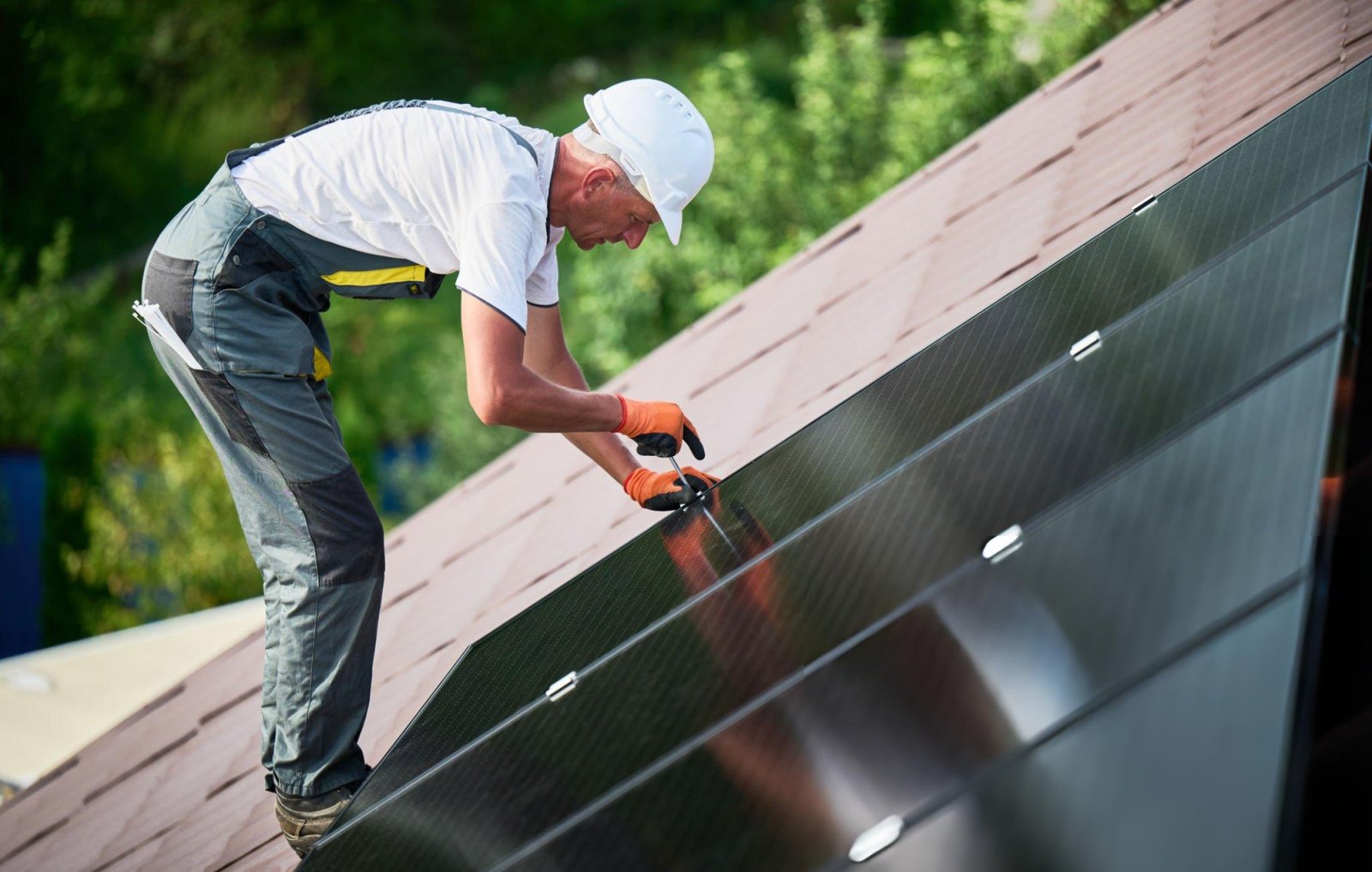
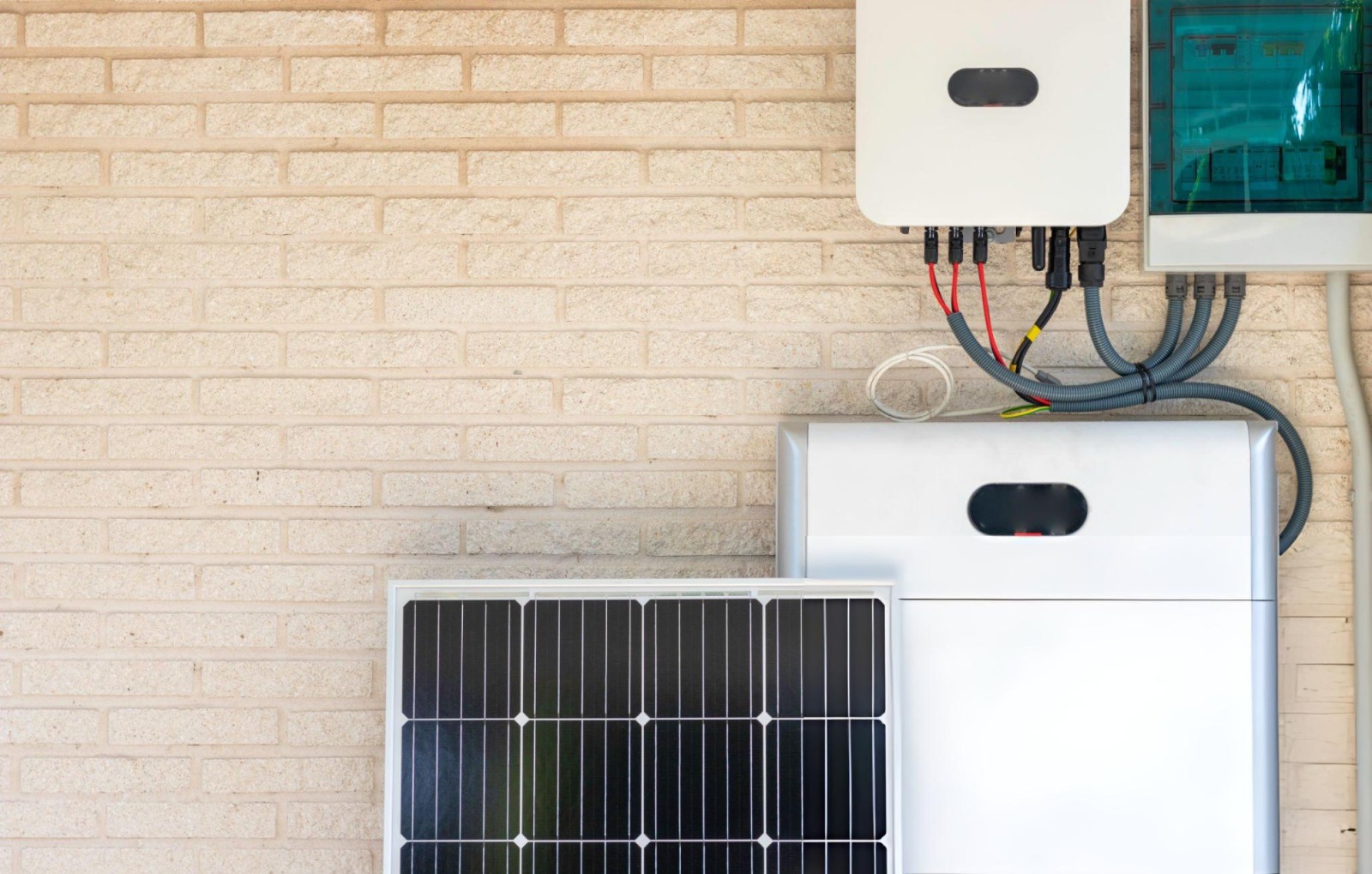
The solar panels themselves are then installed on your roof and connected to the inverter‚ which converts the energy generated by the panels into energy that your home can use․
Testing and Certification
It will be properly tested and certified to ensure that it meets safety and performance standards‚ and certification documentation will be provided․
System Monitoring
Most contemporary solar arrangements include monitoring equipment that enables the homeowner to track their energy production and consumption in real time․
Do solar panels work on cloudy days?
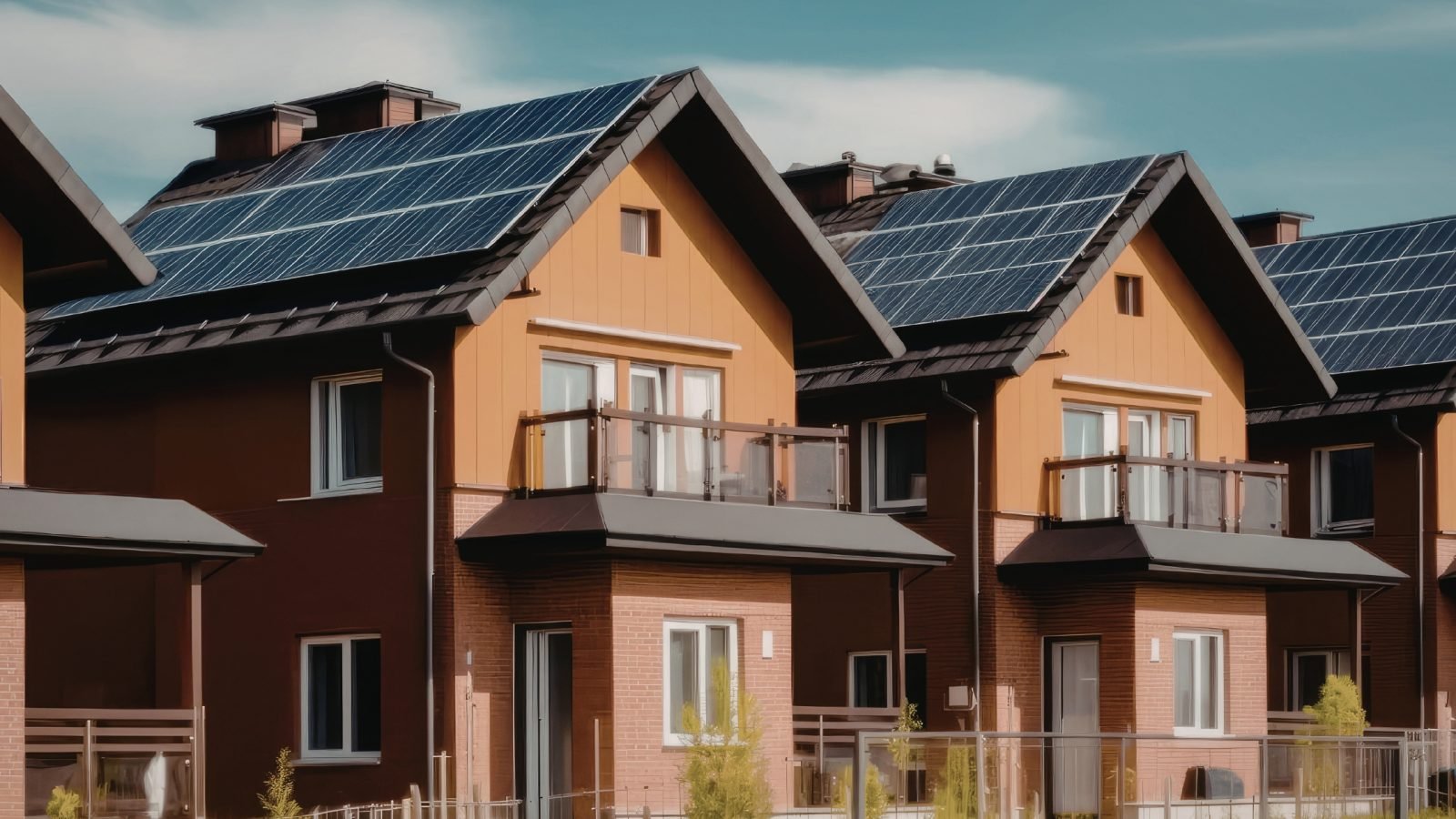
Yes‚ because solar cells are still able to generate power with diffuse sunlight‚ even on cloudy and rainy days‚ solar panels still produce electricity․
Direct sunlight is sunshine which has not been scattered by clouds or atmospheric particles and as such reaches the surface of the Earth directly‚ whereas diffuse sunlight is sunshine that has been scattered by clouds‚ mist‚ dust‚ smoke‚ or other atmospheric particles above the surface․
Solar panels are designed to produce electricity from both direct and indirect sunlight․ Solar panels can continue producing power on cloudy days because the solar cells inside the panels convert solar energy into electricity by getting electrons moving․
This is why it is not true that solar panels do not work on cloudy days․ In fact‚ solar panels still produce electricity as long as there is sunlight available․
Key Insight: The average amount of energy generated by a 4kWp system in the UK is in the region of 3400 – 4200 kWh a year‚ mostly on grey days․ By adding a battery storage system‚ power generated during the day can be stored for use during the evening‚ helping improve self-sufficiency․ |
Tips to increase solar production in low light․
Many different methods exist to improve the performance of solar panels under both conditions of sunny and frequently cloudy weather․
- Add solar battery storage which can store the excess electricity generated by the system during the day when solar production is low․
- In areas of low insolation‚ systems can be customized according to local conditions (in terms of panel numbers‚ positioning and site capacity) ․
- Increase the number of panels on suitable roof areas to collect more available daylight and dispersed sunlight․
- High-efficiency solar panels typically output more watts of power for the same amount of sunlight․
- Consider also installing panels facing east and west to increase energy production during mornings and afternoons․
With careful system design and appropriate equipment‚ solar energy can be captured year round‚ no matter where you are․
Different types of solar panels
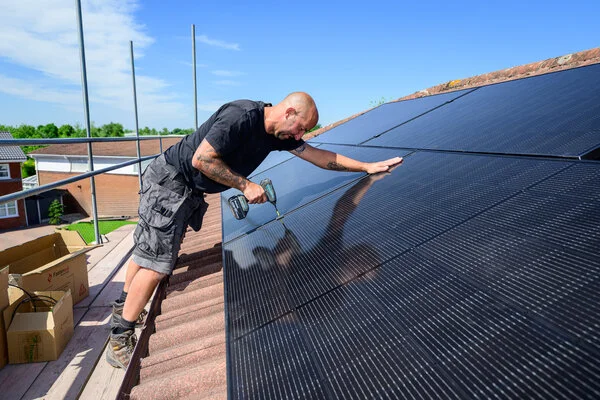
Once you have determined the right type of solar panel to fit your roof and budget‚ as well as your specific energy requirements‚ MCS certified installers in the UK will generally offer the following types of solar panels:
Monocrystalline solar panel
Monocrystalline solar panels are the most common type of panel used in the UK as they are very efficient and work well in low light‚ making them best for our climate․ Because monocrystalline panels are made of a single crystal of silicon‚ they are solid and durable‚ lasting far longer than other types of panels‚ making them best solar panels UK and a good investment long-term․ Historically‚ monocrystalline panels have been the more expensive type‚ though manufacturing advancements have brought the price down․
Efficiency: 20- 24%
Polycrystalline Solar Panels
Polycrystalline photovoltaic (PV) modules‚ on the other hand‚ are made from hundreds of different pieces of silicon crystal‚ which makes them cheaper and easier to produce and therefore makes their upfront cost much lower․ However‚ polycrystalline pv panels have lower efficiency and lower power production than monocrystalline panels‚ affecting their cost over the panel’s lifespan․
Efficiency: 15- 17%
Thin-film solar panels
Thin-film solar panels are made using materials such as amorphous silicon (a-Si), cadmium telluride (CdTe), or copper indium gallium diselenide (CIGS), rather than traditional silicon crystals. Although less common than mono- and polycrystalline panels, they offer several advantages.
These panels are lightweight, flexible, and suitable for curved surfaces or roofs that cannot support heavier solar systems. They also perform relatively well in low-light conditions and are available in various colors, making them a more discreet option.
However, thin-film solar panels are generally less efficient than crystalline panels, requiring more space to produce the same amount of electricity. They also tend to have a shorter lifespan, which may lead to earlier replacement.
Efficiency: 10-13%
Bifacial solar panels
Bifacial solar panels have cells on both the front and back of the panel to be illuminated by light reflected from the ground․ They typically comprise monocrystalline cells‚ and have a high efficiency and durability due to their manufacturing process․ They are more expensive to install‚ and are best mounted in conjunction with reflective surfaces and mounting systems․
Efficiency: 21- 26%
BIPV (solar tiles)
Building-Integrated Photovoltaics (BIPV) are solar products integrated into the building structure such as a roof tile‚ solar façade or solar glass providing the building with an attractive‚ modern appearance and generating renewable energy․ Though attractive and space-saving‚ BIPV systems are typically more expensive and less efficient than conventional solar panels installed on a rooftop․
Efficiency: 14- 19%
Picking the right type of panel for you
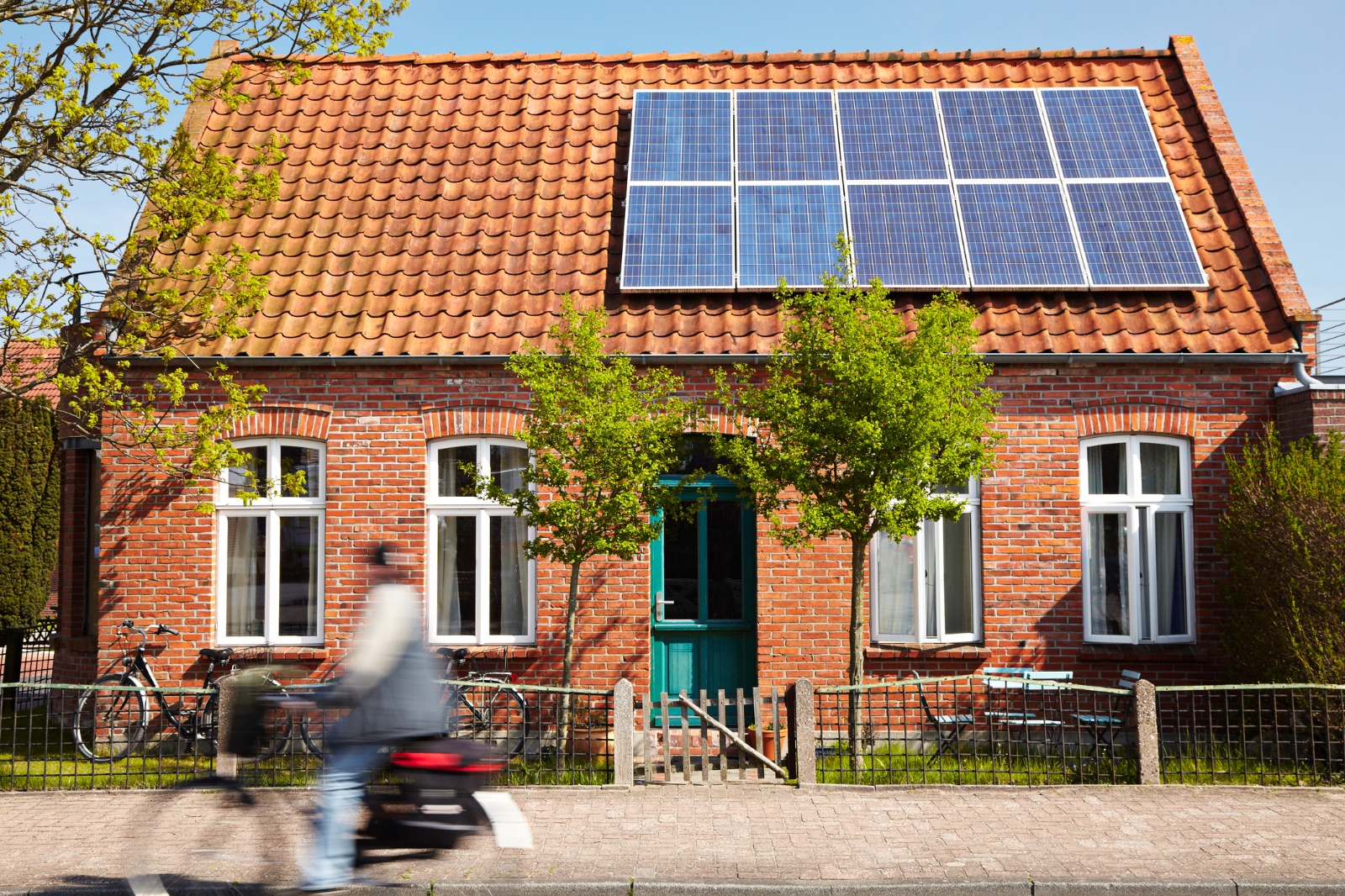
In the UK‚ standard pitched roofs with limited space will usually be best served by monocrystalline panels‚ which have high efficiency and long lifespans even in limited light․ Houses with large south-facing roofs may find polycrystalline panels a better value․ If you have flat-roofed extensions or live in a heritage property‚ thin-film or Building-integrated photovoltaics panels (BIPV) may be an option with your MCS certified installer․
VAT Relief on Solar Panel Installations
Solar power systems for existing residential domestic property in Great Britain have been eligible for a zero rate of VAT on the delivery‚ goods‚ and installation since April 2022․ This covers the solar array and its installation․ This is a drop from the previous VAT rate of up to 20%․ In order to be eligible for this exemption‚ the installation must be properly invoiced (i․e․ in accordance with the qualifying criteria)․ One of the benefits of an MCS certified installer is that they are up to date with VAT legislation and invoicing requirements․
Battery storage systems are zero rated if they are installed as part of a solar panel system․ Batteries installed after installing solar panels may have a different VAT treatment․ You can check with your installer about how VAT will apply when you buy․
Choosing the Right Solar Installer
The single most important thing to look for is MCS certification․ An MCS certified installer has been independently assessed against a series of rigorous standards covering technical competence‚ insurance‚ and customer care․ Without this‚ your system may not be eligible for the Smart Export Guarantee (SEG) and your manufacturer’s warranties may be invalid․
Proximus is a fully MCS certified solar panel installer․ Our accredited engineers coordinate your project from start to finish‚ including the roof survey‚ system design‚ commissioning‚ grid connection and aftercare․
When you choose Proximus‚ you will have the industry’s best-in-class solar panels installation team while getting a full workmanship warranty on every installation․
Want to learn more? Contact Proximus today for a free‚ no-obligation solar survey and quote․
Frequently Asked Questions
How long does solar panel installation take?
Each installation usually takes 1-2 days․ The MCS certified installer will also complete all paperwork to connect the system to the grid and inform the DNO․
Do I need planning permission for solar panels?
In England and Wales‚ solar panels are classed as permitted development and do not require planning permission except on listed buildings and in some conservation areas․
What kind of warranty should I expect?
Quality panels generally come with a warranty of 25 years on performance (typically‚ 80% of rated power by year 25) ‚ and a product warranty of 10-12 years․ Inverters are generally under warranty for 5-10 years․ MCS installation comes with a minimum 5 year workmanship guarantee․
Can I add battery storage later?
Yes. Most modern solar installations are battery-ready. Adding a home battery such as a Tesla Powerwall or GivEnergy unit at a later date is straightforward and significantly boosts your self-sufficiency — particularly in winter months.
Solar Battery Storage In The UK: Is It Worth Your Money?
proximussolutions.uk
May 28, 2026
Read More »
Ready to Reduce Your Energy Bills?
Speak to our specialist team today for a free, no-obligation assessment.